
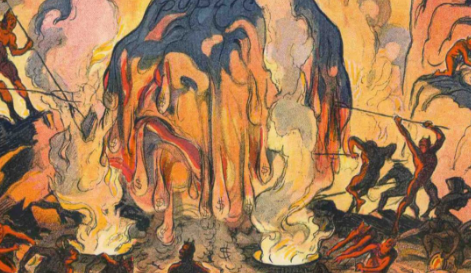
 TEMPORADA NO INFERNO
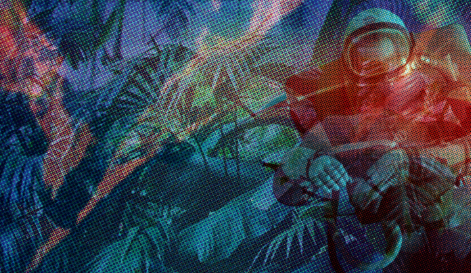 TEMPORADA NO FUTURO
 TEMPORADA CONTRA TIRANIA

Ancient Images from Greece to the New World
- Autor(a): Lorena Lope
R$ 85,90
FORMAS DE PAGAMENTO
Pix
1 x sem juros de R$ 85,90 no Pix
Cartão de Credito
1 x sem juros de R$ 85,90 no Cartão de Credito
AUTOR: Lorena Lope
ISBN: 9786550900878
ANO DE EDIÇÃO: 2026
ENCADERNAÇÃO: BROCHURA
FORMATO: 22.5 X 1.7
PESO: 450G
ISBN: 9786550900878
ANO DE EDIÇÃO: 2026
ENCADERNAÇÃO: BROCHURA
FORMATO: 22.5 X 1.7
PESO: 450G
What does Greece have to do with the Americas? A great deal, as the authors of this carefully curated volume show. Through eight insightful essays by prominent scholars, Ancient Images from Greece to the New World illustrates the varied ways in which artists and authors have appropriated, deformed, and reformulated images and representations of Greek antiquity across modern art, architecture, cinema, and literature, even in the urban landscape. This broad focus also extends to antiquity, as the volume’s essays examine multiple Greek sources, including Homer, Herodotus, Sophocles, Xenophon, and even the Athenian Acropolis. By employing an equally ambitious range of approaches, the book’s authors explore the continued relevance and complex imprint of Greek antiquity in Brazil and elsewhere.
As with other key works that explore classical reception in modernity, there is a strong emphasis on the adaptation and transformation of Greek myth and literature across the volume. Some of its essays clarify, for example, the function and import of mythical figures such as Helen of Troy and Antigone in literature and film. Others explore how more specific invocations of ancient Greek literature, from Homeric depictions of suffering horses to Aesop’s fables, can nonetheless resonate meaningfully across Brazilian culture and life.
Equally significant is the volume’s focus on cinema and architecture. Various articles emphasize the wide range of engagements with classical antiquity that film uniquely affords, enabling cinematic artists from Brazil and elsewhere to engage not only with Greek literature and myth but also with classical architecture. Taken together, the essays reveal the complex yet compelling ways in which Greek antiquity is reflected and at times distorted in the New World, through the work of Brazilians and others who have had sustained and meaningful collaborations with Brazil.
